A Neapolitan pizza is not a style of topping. It is a set of constraints that a group of pizzaioli wrote down in 1984 because too many people were calling things pizza that were not. Once you know the constraints, a bad pizza becomes obvious from across the room.
The four rules that matter
- The dough ferments slowly. Flour, water, salt and yeast — nothing else. It rests for at least eight hours, and better pizzerias let it go 24 to 48 hours, which is where the flavour and digestibility come from.
- It is stretched by hand. A rolling pin crushes the gas pockets at the edge. The puffy, blistered cornicione is not a decoration; it is proof the dough was handled gently.
- The oven is very hot and very fast. Wood-fired, around 450°C, sixty to ninety seconds. Long enough to char the crust, short enough that the centre stays soft.
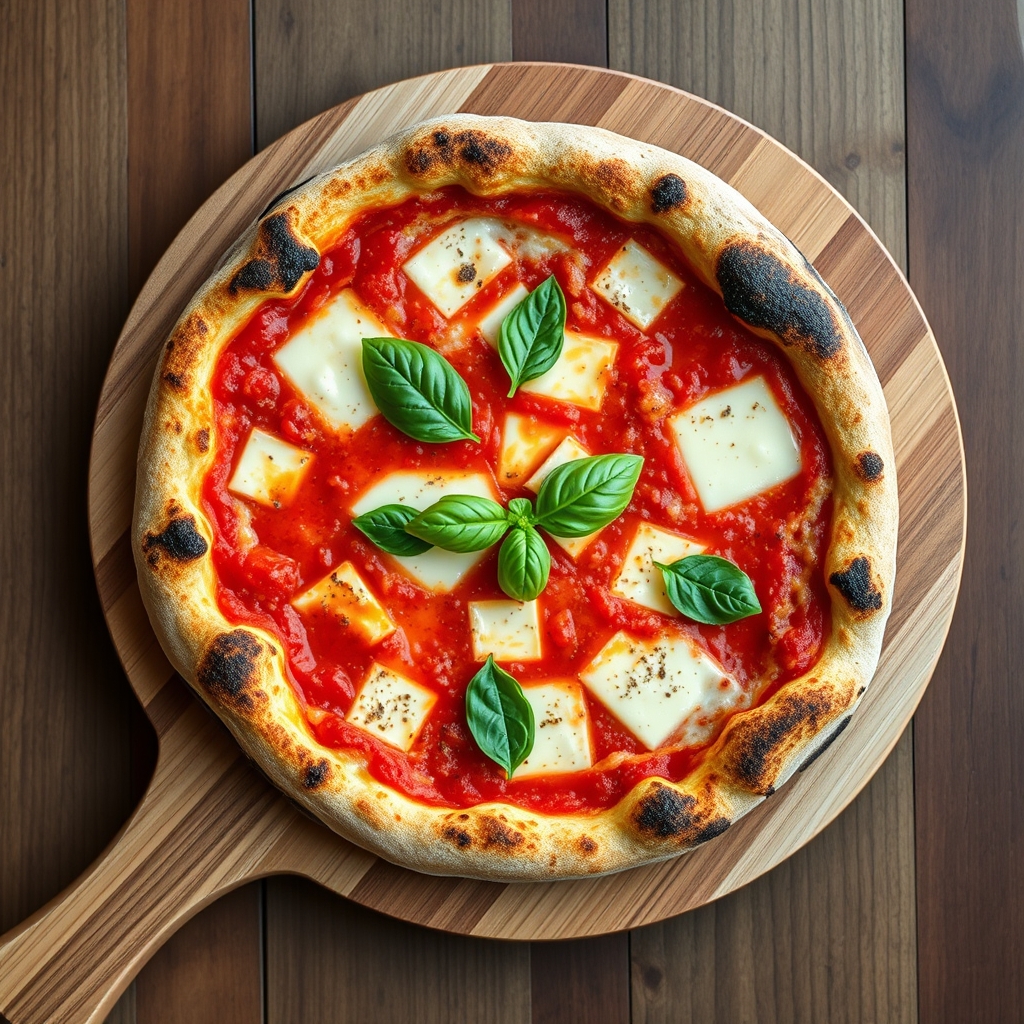
- Toppings stay few. A margherita is tomato, mozzarella, basil, olive oil. A marinara has no cheese at all. Adding five ingredients is a different dish.
Why the same pizza costs ten times more abroad
In Naples, a pizzeria turns tables fast, the oven never cools, and the ingredients travel a few kilometres. In export markets the same pizza carries rent, imported flour, a wood-fired oven that needs a permit, and a customer base that expects table service. The price difference is mostly overhead, not quality.
The result is an uncomfortable truth for travellers: the most expensive pizza you eat is rarely the best one. A €6 margherita eaten standing up at a marble counter in the Quartieri Spagnoli can beat a €28 version in a dining room with linen napkins.
Where to eat it
Naples has two schools. The historic pizzerias near Via dei Tribunali serve a wetter centre and a very soft crust — L'Antica Pizzeria Da Michele is the famous example, and it still serves only two kinds of pizza. The newer generation, including Sorbillo and Starita, works with longer ferments and slightly more structure.
Outside Naples, look for the words "verace" or "VPN" on the window and check the oven. A gas deck oven can make excellent pizza, but it is a different product: crisper, drier, and usually heavier.
A Neapolitan pizza should be eaten with a knife and fork at first, then folded. If it cannot be folded without cracking, the dough was either too cold or too dry.
How to order it
Order a margherita first. It is the cheapest thing on the menu and the hardest to hide behind. If the tomato tastes sweet and raw rather than cooked down, and the basil was added after the oven or in the last ten seconds, you are in the right place.
Ask for "pizza fritta" if you see it — a fried, folded pizza that is a Naples street food in its own right. And drink what locals drink: water, or a beer, not a large cola.
Is it worth planning a trip around?
For pizza specifically, yes. Naples is one of the few cities where a globally famous food is still cheaper and better at the source, and where a single street can hold four places worth queueing for. Go at lunch, when the oven is hot and the queue is short.
Source: Associazione Verace Pizza Napoletana, and Neapolitan pizza on Wikipedia.
Look for dark, uneven blisters rather than a uniform pale ring. Blisters mean the oven was hot enough, which means the base cooked before the dough dried out.
Use the TasteBridge finder to see local dishes, bakery, cafe plates, coffee and everyday drinks, with rough price bands and dietary filters.
Open Italy in the food finder